


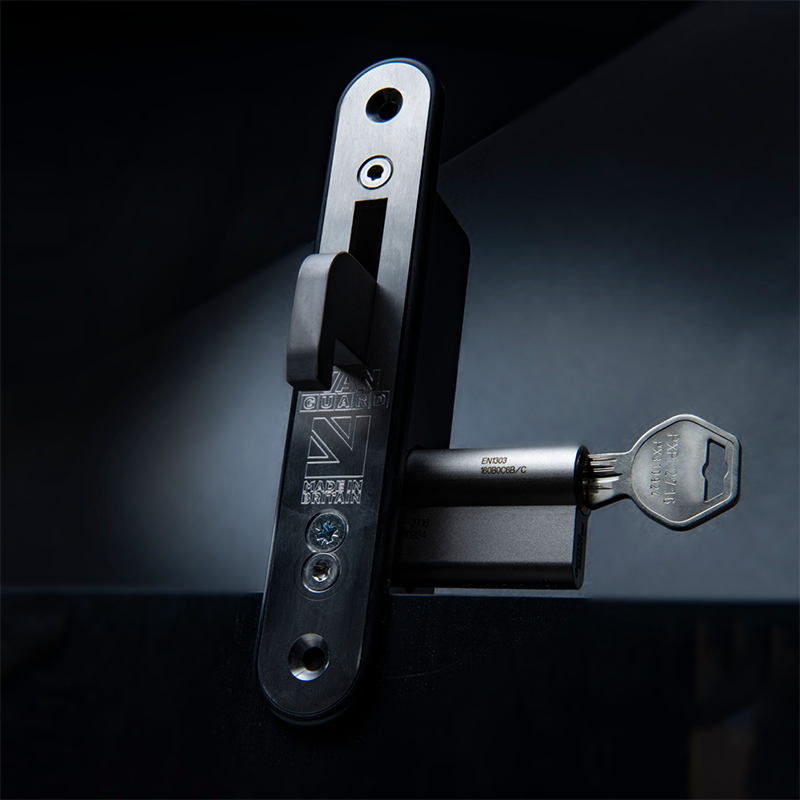
With van theft on the rise, especially among tradespeople carrying valuable tools, the need for reliable vehicle security is at an all-time high.
For auto locksmiths looking to expand their skills, hook lock fitting offers a lucrative opportunity. Hook lock fitting can be a very profitable skill, especially when servicing businesses with fleets of vans. Companies with multiple vehicles are always looking to bolster their fleet’s security, and establishing yourself as a trusted locksmith can lead to a steady stream of work.
Len Stocker, Van Guard’s lead engineer with over 25 years of experience, has designed and refined hook locks from the ground up. In this article, he shares expert tips for locksmiths entering or refining their work in this growing field…
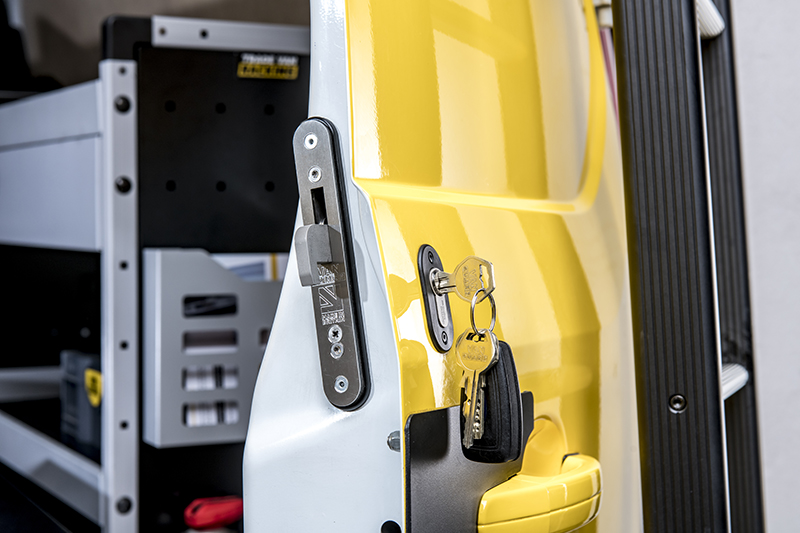
Key Dos and Don’ts for Successful Hook Lock Fitting
Len’s wealth of experience has allowed him to distill essential dos and don’ts to guide locksmiths through the fitting process.
DO: Check the Instructions
Always read and follow the manufacturer’s instructions. Small deviations can lead to misalignments or failures. Review the process thoroughly before starting to avoid costly mistakes.
DO: Protect the Vehicle
Van bodywork is expensive to repair. Len recommends using masking tape (or a similar material) to protect the vehicle’s surface. This step prevents accidental scratches when drilling or cutting.
DO: Test the Components
Before making any permanent changes, test the components in the kit. This ensures everything fits properly and functions as expected, saving time and preventing issues later on.
DO: Use Pulse Drills
To avoid burning the paint or damaging the surface, Len suggests using pulse drills. This technique provides better control and reduces the heat buildup that could damage the vehicle’s finish.
DO: Be Methodical and Measured
Accuracy is crucial. “Check and double-check,” Len advises. Don’t rush the job—take your time with measurements. Even if you’ve installed hook locks before, remember that designs can change, so always review each step carefully.
DO: Test and Position the Strike Plate
Len recommends securing the strike plate with masking tape before drilling. Once it’s in place, use a screw to test and confirm the alignment. Ensuring the strike plate is positioned correctly before you rivet will help achieve a seamless installation.
DON’T: Skip the PPE
Always wear the appropriate personal protective equipment (PPE), such as gloves and goggles. Drilling and cutting can pose safety risks, so protecting yourself is a must.
DON’T: Leave Bodywork Uncovered
When drilling or cutting, always cover the vehicle’s bodywork to prevent accidental damage. Protective sheets or masking tape will help avoid scratches or chips.
DON’T: Use Blunt Drill Bits
Using dull drill bits can cause excessive pressure, which may lead to uneven cuts or vehicle damage. Ensure your drill bits are sharp and in good condition before starting the job.
DON’T: Forget the Anti-Corrosion Compound
Van doors and panels are vulnerable to corrosion. Always apply an anti-corrosion compound to any drilled holes or exposed areas to prevent rusting and ensure the longevity of the hook lock fitting.
DON’T: Forget to Check Behind Panels
Before drilling, always check behind the panels. Failing to do so can lead to damaging wiring or other important components hidden behind the bodywork.
Van Guard is always here to help. If you make a mistake or encounter any issues, don’t panic, just give us a call. Our team is just a phone call away, and we can help fix any errors with support and solutions to get you back on track.