


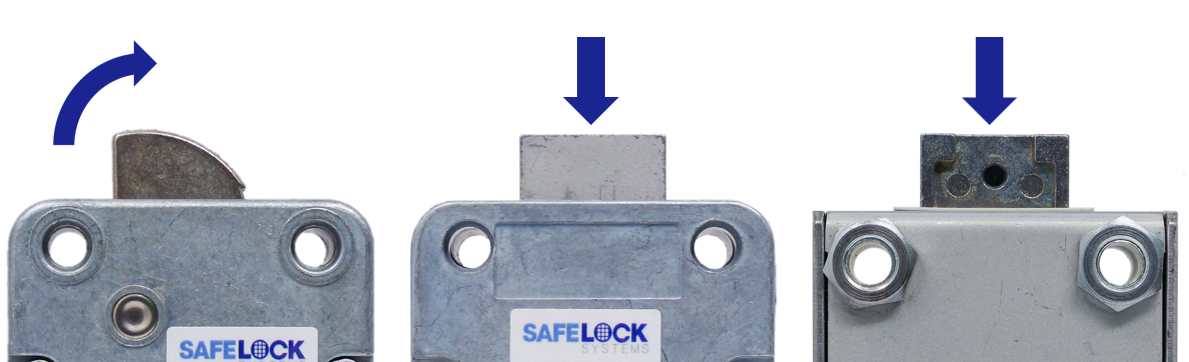
Safe lock bolt types and their relevance to safe security.
Safelock Systems Ltd is a trade distributor of locks for safes and vaults, stocking a range of products from leading manufacturers, such as LA GARD, dormakaba, Tecnosicurezza and Insys. Director Jasmine Hunt-Brown gives us some information about upgrading or retrofitting safe locks, and the importance of using the correct bolt type, to ensure the safe retains its certification, and therefore insurance cover.
Safe grading & cash rating
In the UK, safes are often sold with a cash rating, which is based upon the grading of the safe. Where a safe has been graded according to EN 14450, EN 1143-1/2 or LPS 1183, the safe must be fitted with a safe lock that has been certified to one of the high security lock standards:
- EN 1300 – High security locks
- EN 17646 – High security locks – distributed systems
Retrofit a safe lock
The safe manufacturer must specify precisely which safe locks can be used on their safes, so in the first instance, an engineer should refer to the manufacturer for permitted locks.
In some circumstances however, this is not possible, either because the safe is old and there is no reference, a safe lock model may have been discontinued, or because it is not economically viable for a safe manufacturers to retest with every new lock that is released.
In this case, an engineer can refer to BS 7582:2021 – Reconditioning of used safes and secure safe cabinets. Code of practice. A copy of this can be purchased from the British Standards Institute online https://knowledge.bsigroup.com/
The most important point about retrofitting a safe lock, is that it:
“Should be of the same or more secure performance. The bolt size, type and throw of the lock bolt and minimum engagement with the boltwork should not be less than the original.”
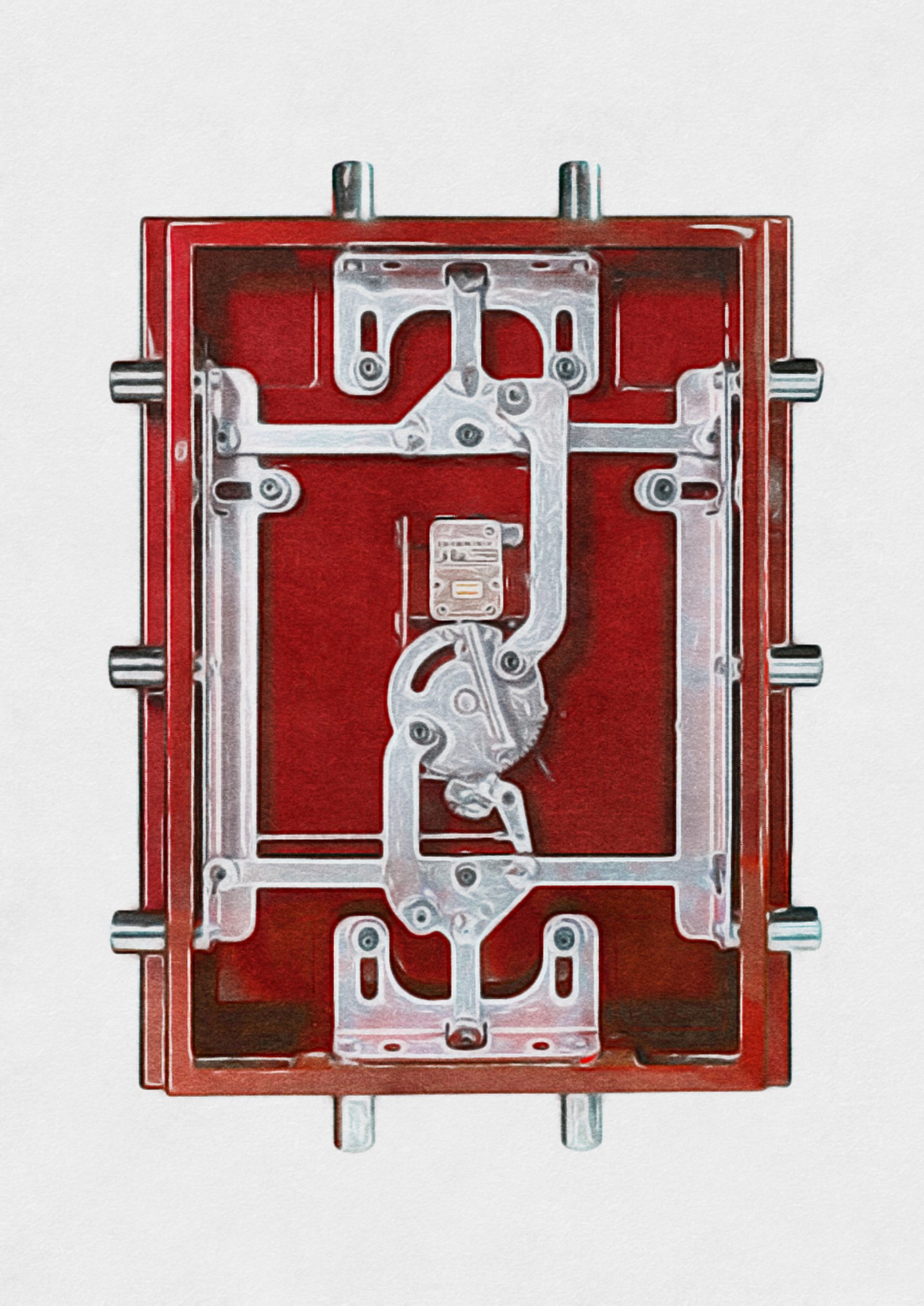
The purpose of a safe lock
In most cases, the purpose of a safe lock is to stop the boltworks of a safe moving. The boltworks are an array of metal parts which move when the safe handle is turned, and lock the door at several points with dog bolts.
Safe lock bolt type: Deadbolt
Deadbolts can be key locks, mechanical combination locks or electronic combination locks.
The lock’s bolt is retracted into its body, which allow the safe boltworks to pass through the space, previously occupied by the bolt head.
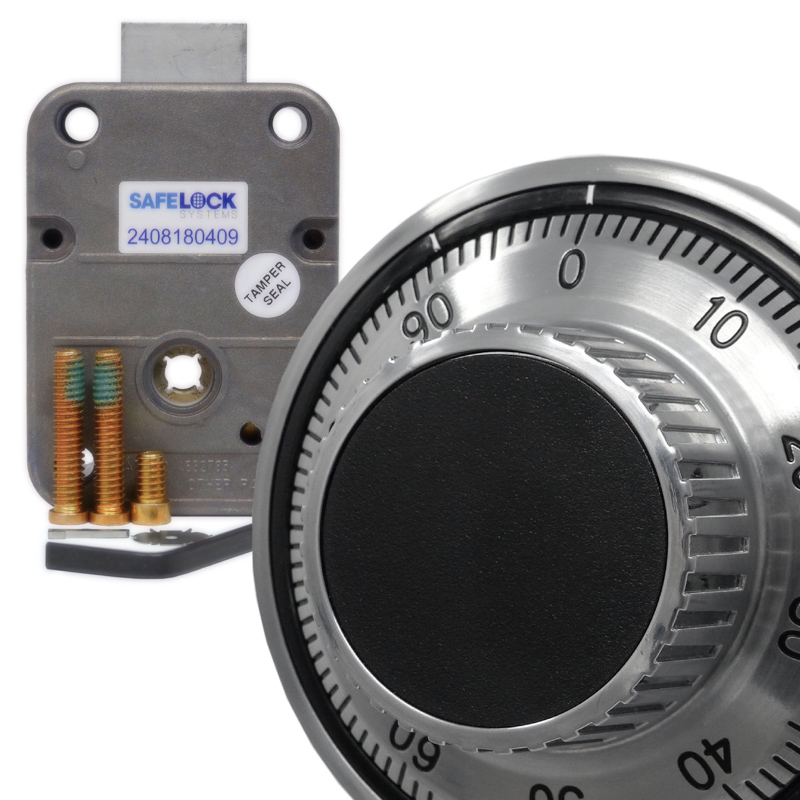
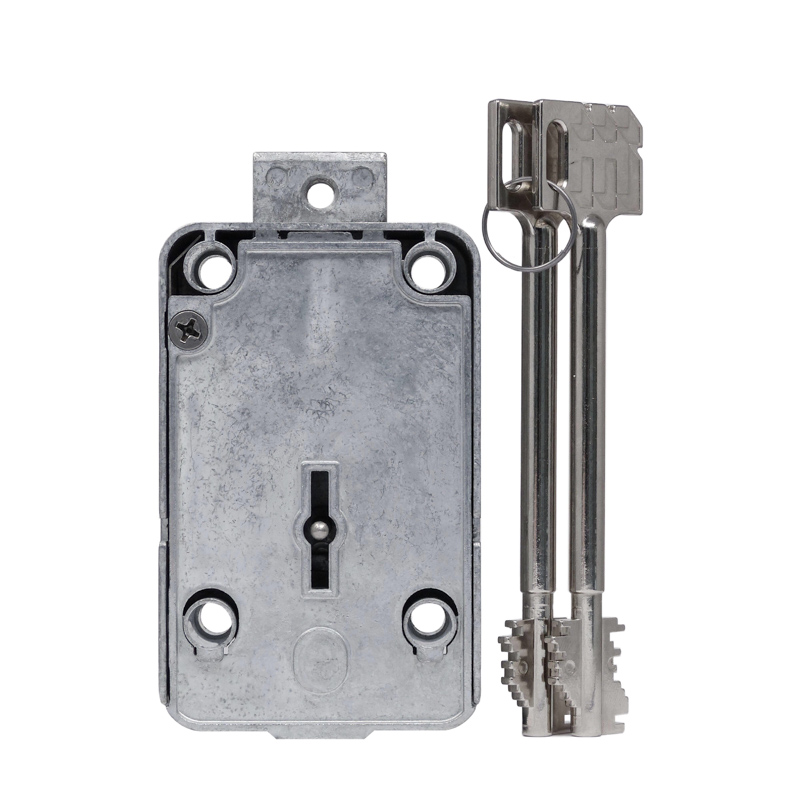
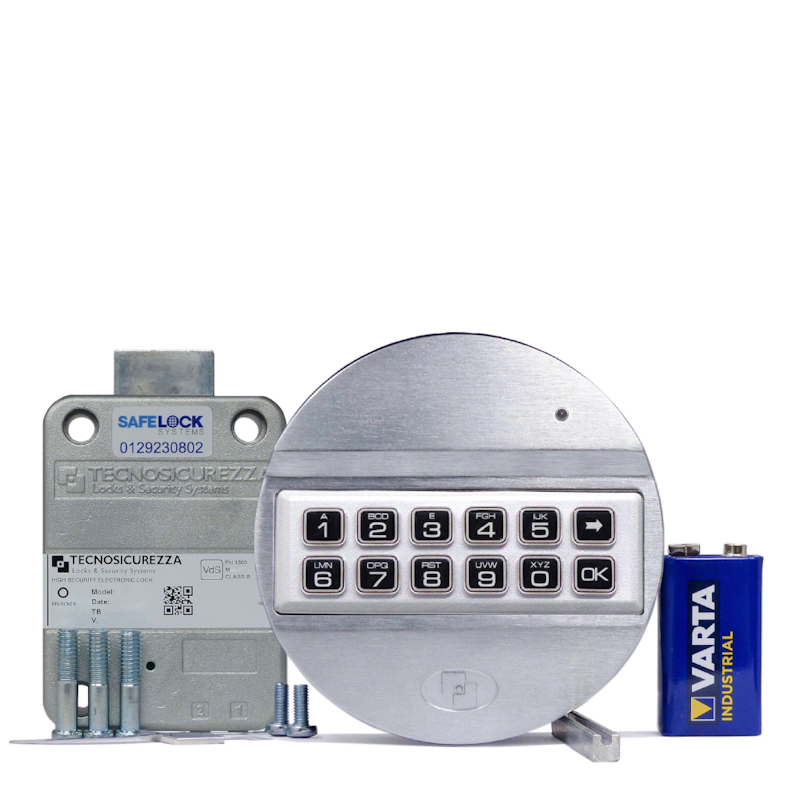
The bolt retraction occurs:
- Key lock: When a key is turned
- Mechanical combination lock: When the correct combination is dialled
- Electronic lock, when the code has been entered and a spindle is turned, either by the keypad or with a knob.
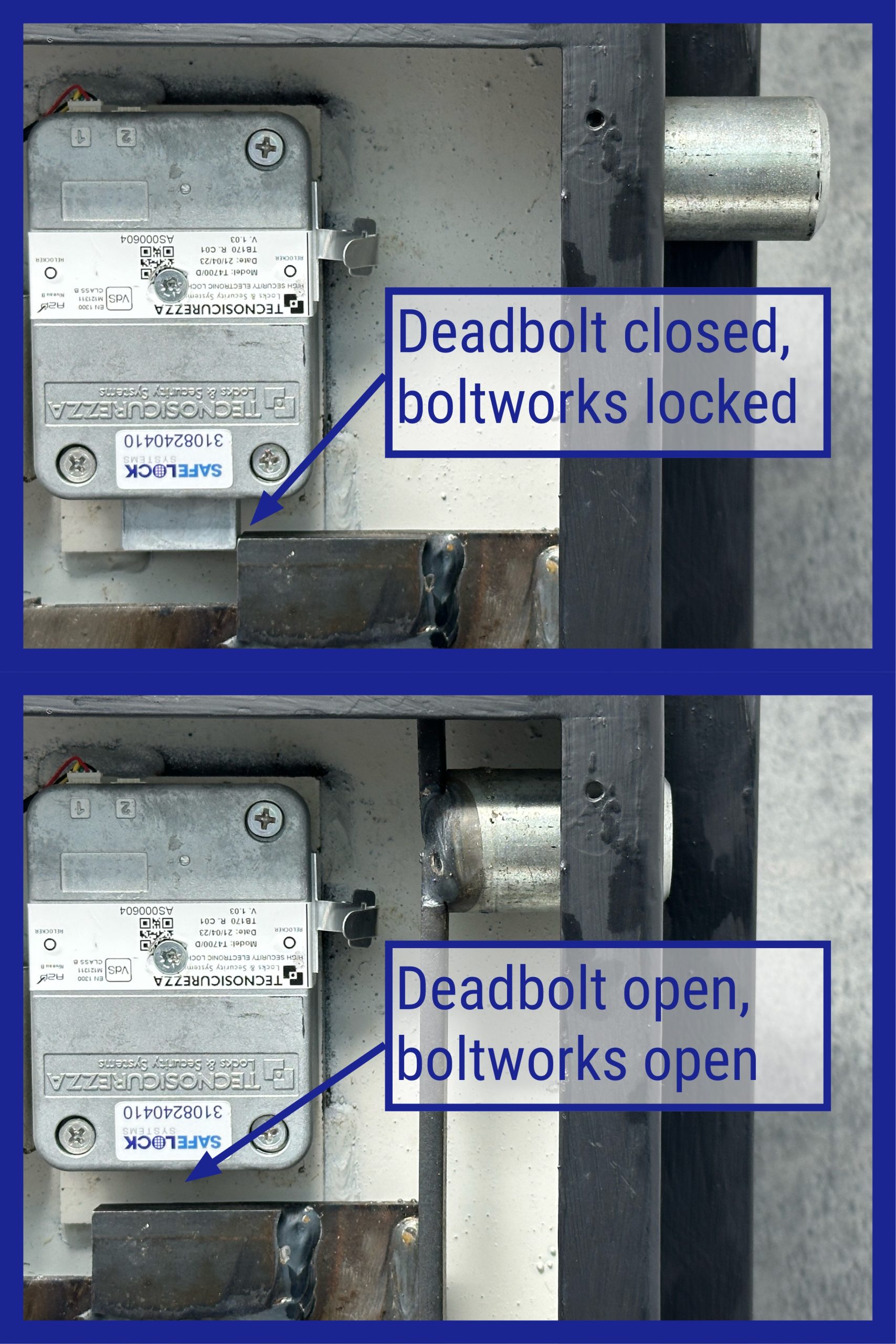
Safe lock bolt type: Deadbolt
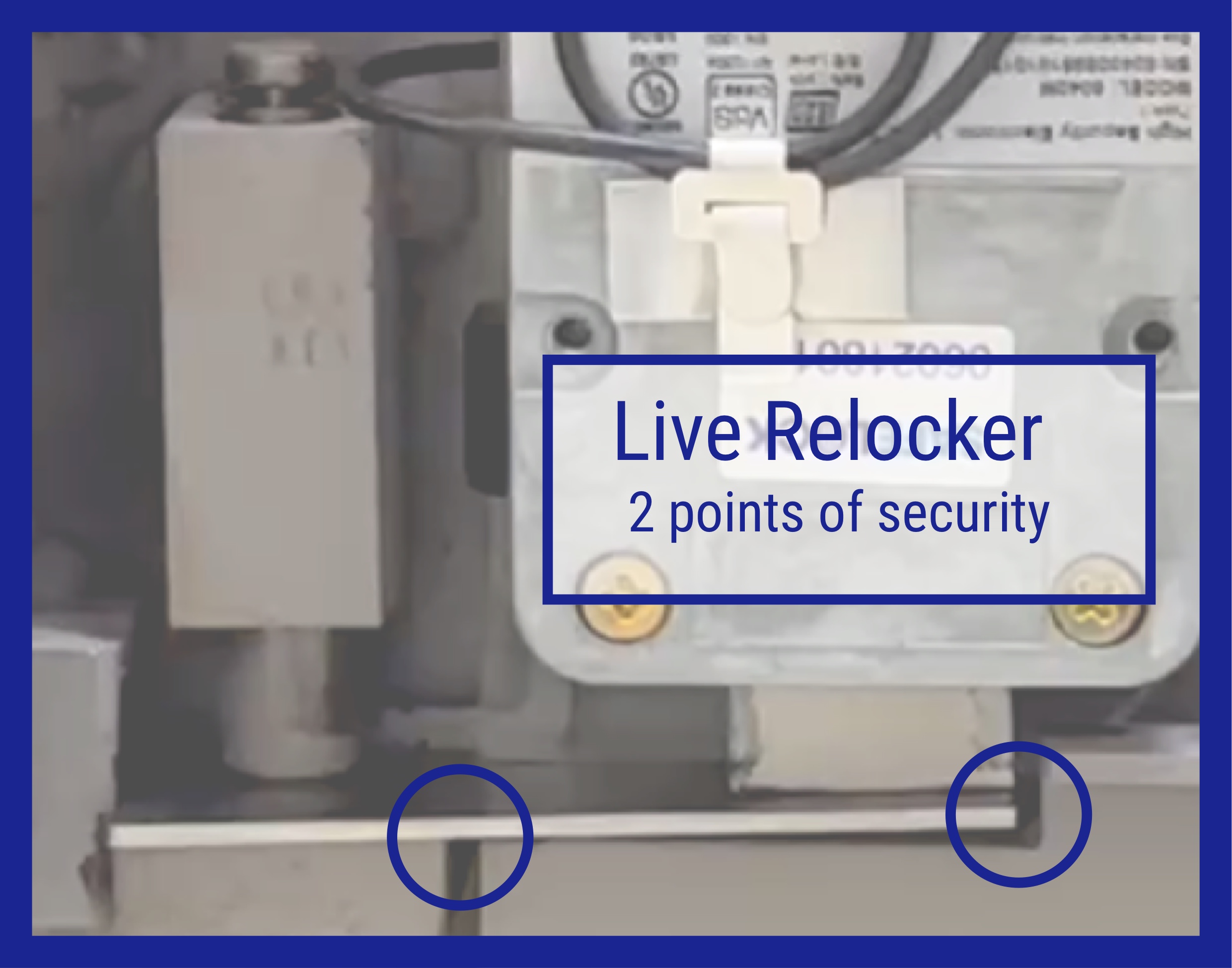
A deadbolt may function only to block boltworks, but for higher grade safes, a deadbolt is often used to move live relockers – safe parts that are connected to the lock’s bolt head.
Live relockers
Live relockers are security devices which move when the safe lock bolt moves and allow the boltwork handle to be turned. As such, live relockers provide an additional point of security.
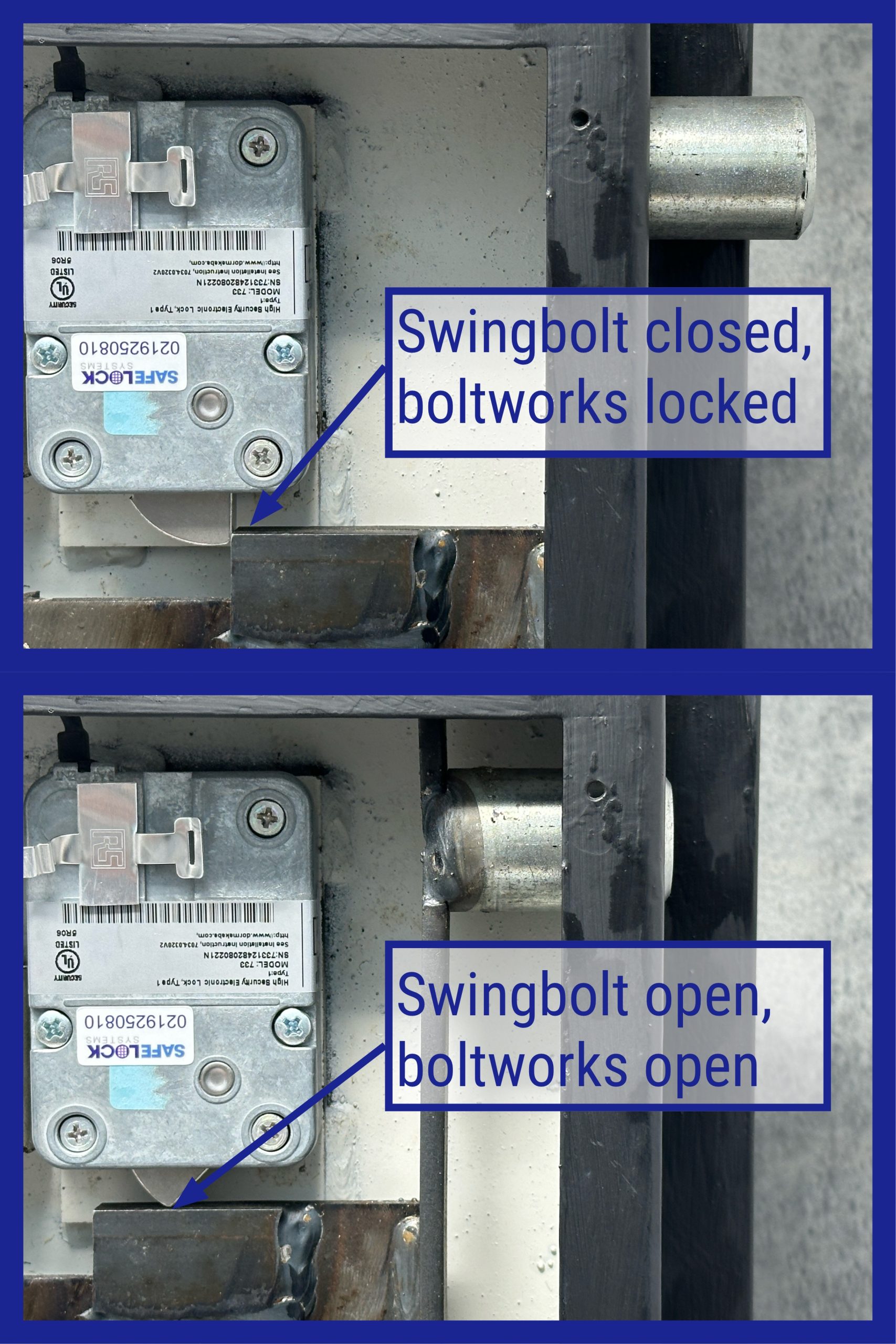
Safe lock bolt type: Swingbolt
A swingbolt bolt head is pushed back into the lock body by the movement of the boltworks, as such it can only protect at one position, and cannot be attached to relockers. If the safe has been designed with live relockers, a swingbolt should not be used.
Safe lock bolt type: Motorbolt
A motorbolt functions in the same way as a deadbolt, but the bolt is retracted with a motor inside the lock body, and does not require a manual movement.
Motorbolts can be used in place of a deadbolt, but if live relockers are part of the safe design, the motor must have sufficient power to move the relockers, which can exert particular force against the bolt head. Motorbolts are typically available with different bolt forces:
- A bolt force 2.5 N should not push or pull a mass of more than 250 grams
- A bolt force of 5 N should not push or pull a mass of more than 500 grams
- A bolt force of 30 N should not push or pull a mass of more than 3 kilograms
Safe adjustment
As stated in BS 7582:2021, the safe lock must function in the way that was intended by the safe manufacturer. If a safe is adjusted by removing live relockers to accommodate a particular kind of lock like a swingbolt or blocking motorbolt, it will almost certainly reduce the security of the safe and therefore the certification and cash rating.
Conclusion
Ensuring that safe locks are retrofitted in accordance with BS 7582:2021 provides the customer with confidence that the security of their safe is upheld and their insurance cover remains unaffected.
Safelock Systems offers trade pricing to security professionals, please visit our website for more information, where you can also find detailed information on all the electronic and mechanical safe locks we supply.
www.safelocksystems.co.uk
020 8949 1005