


Why the future of security is hybrid, human and built on trust
Smart access is not a contest between apps and cylinders. John Gill argues that the next generation of security will combine mechanical integrity, digital intelligence and the professional judgement of the locksmith and he also explains the thinking behind DORIX.
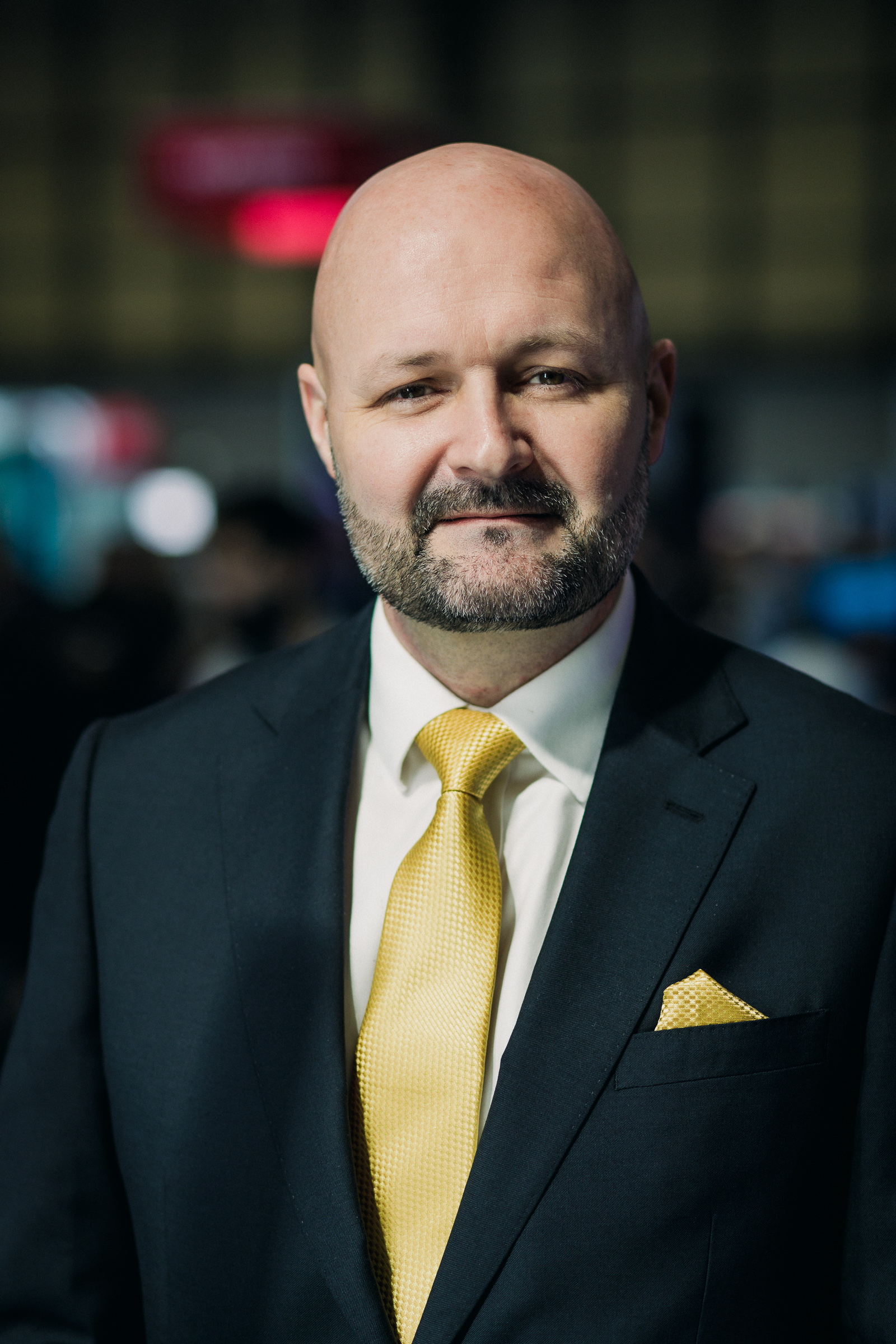
By John Gill, VP Sales & Marketing, DORIX®
For centuries, a lock has performed a simple function, allowing (or not) access?
Today, we often need more information. Who is requesting access, when, and for how long? Can access be granted and withdrawn easily? What happens when technology fails or the person at the door does not want to use an app?
These questions explain the rise of smart access, but they also reveal something important, the future of security is not a choice between digital convenience and mechanical integrity. It is the intelligent combination of both.
In a trade built on trust, unfamiliar names quite rightly face questions. A question I often hear is, “Who are DORIX?”.
It is a fair question and for many readers, ours will be a new name. We regard that as a responsibility. In security, credibility is earned one installation at a time.

A new name with a long view
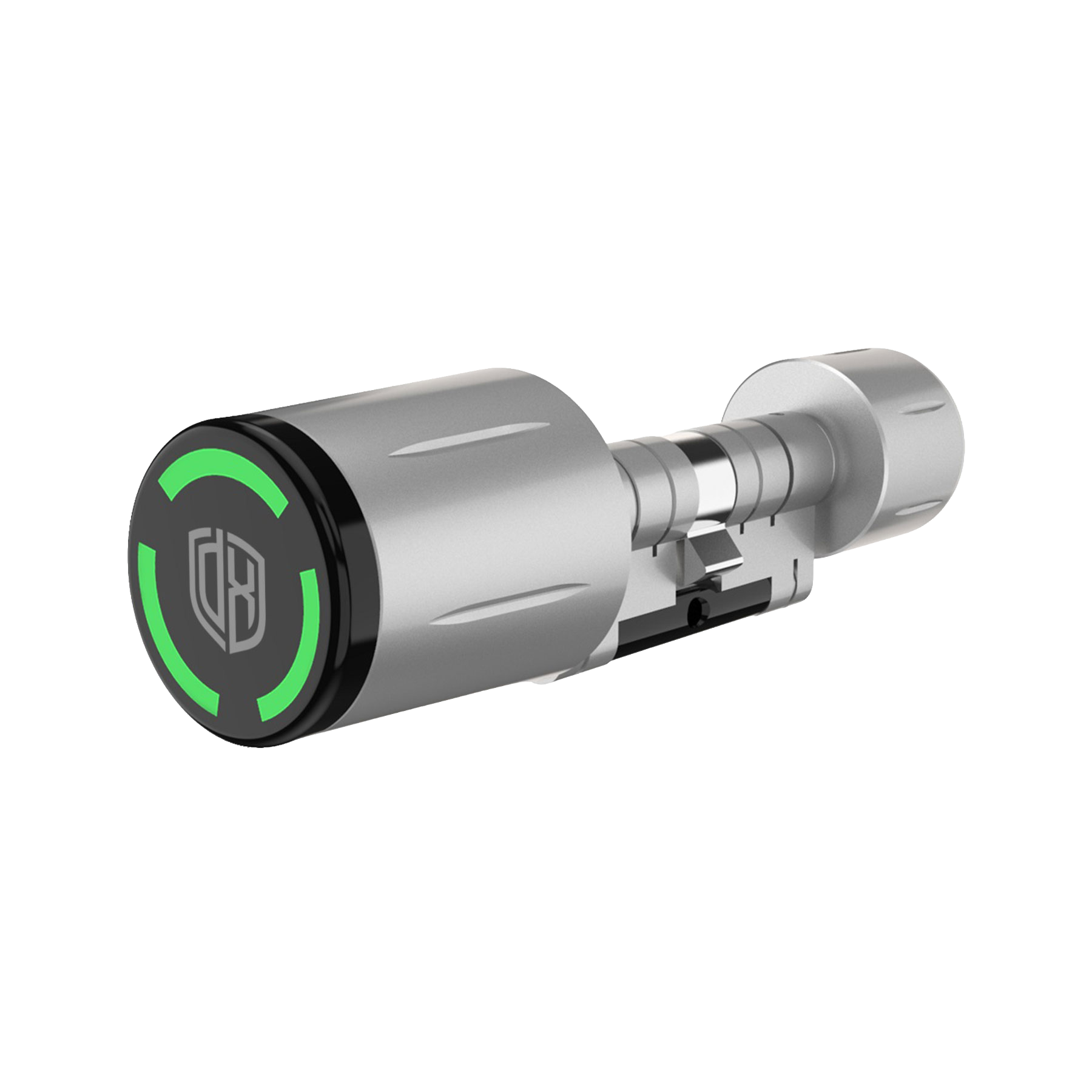
DORIX is a British smart access company. We design connected doors, locks, cylinders and padlocks, together with the firmware, apps and cloud platform that manage them. Specialist manufacturing partners build to our specifications whereas engineering, intellectual property and product standards remain our responsibility.
DORIX was founded to bridge two worlds.
The traditional security industry understands physical attack, correct specification, installation and long-term reliability. The technology sector has transformed how people identify themselves, grant permission and manage daily life. Yet smart access too often borrows from one world while underestimating the other.
Some products begin as consumer electronics and treat the lock as the final attachment. Others preserve strong mechanical thinking but add digital capability as an afterthought. Customers can be left with fragmented systems, awkward experiences and uncertainty over who is responsible when something goes wrong.
We believed there was room for a different approach: begin with the door and the person using it, then design the physical product, digital control and support model as one joined-up system.
DORIX exists to make capable technology feel calmer, clearer and more trustworthy. We do not expect that ambition to be accepted on words alone. A new name in security should welcome scrutiny and earn confidence on the merit of the support it provides to its customers and the end-user.
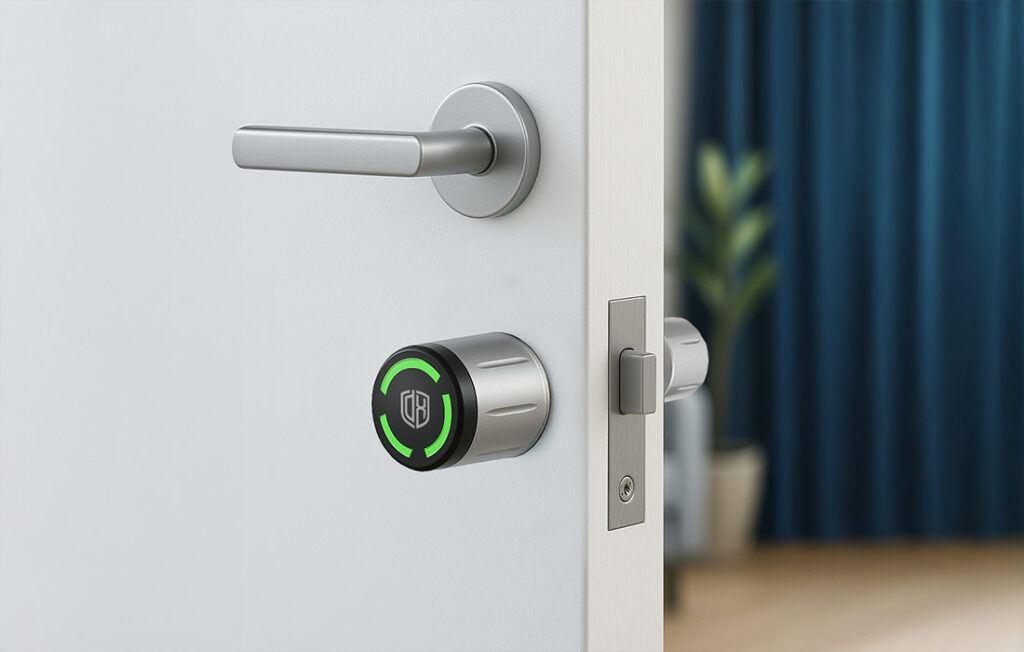
The cylinder still matters
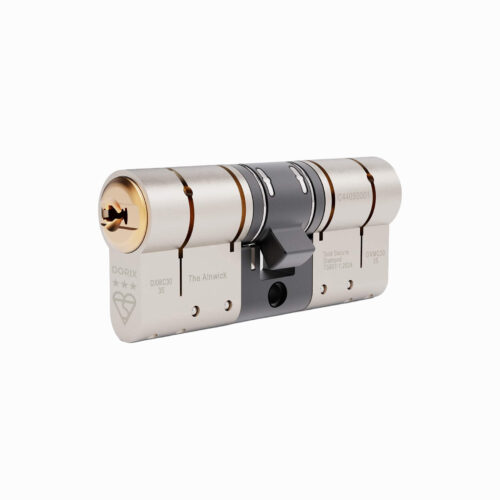
The mechanical cylinder is familiar, immediate and independent of networks, accounts and software updates. Correctly specified and professionally installed, it remains an essential layer of protection.
As access becomes more connected, mechanical security may become more important. It provides resilience and a trusted fallback. I believe the leading solutions over the next decade will be hybrid and incorporate proven physical resistance combined with secure digital credentials and alternative ways to gain access. A phone should not become a single point of failure and a mechanical override should never be an afterthought.
The best smart lock is not a gadget with a lock attached. It is a properly engineered lock that has become more capable.
One system, clear accountability
The connected-security market can be difficult to navigate. Hardware may come from one supplier, the app from another, installation from a third and support from somewhere else. When a problem occurs, the customer is left to decide where one company’s responsibility ends and another’s begins.
DORIX was founded on the basis of being an ecosystem across hardware, software and lifecycle support. Our purpose is to reduce uncertainty and complexity for our customers by taking complete ownership.
That philosophy shapes our commercial model. Core functionality should work without forcing a homeowner into a subscription. Paid services must earn their place through additional value, such as automation, integrations or enhanced support. Security should not be held hostage behind a monthly fee!
The same principle applies to data. A connected product may know when a door was opened, which credential was used and who was permitted to enter. How long will it be supported and who controls the data? What happens when a tenant leaves or a phone is lost?
These are not software questions separate from locksmithing. They are security questions. The app, firmware and cloud service are parts of the lock and should be judged as seriously as the cylinder, fixings and door construction.
The locksmith remains central
Some tradespeople wonder whether smart access will move expertise away from the locksmith and towards technology companies. I believe the opposite is more likely provided the industry engages with the change.
Customers rarely arrive with a perfect understanding of what they need. They want to protect a family, manage a rental property, allow a carer to enter or stop copied keys circulating. The locksmith assesses the situation and recommends a proportionate answer. Smart access adds more options to that judgement rather than removing the need for it.
The digital locksmith will survey and fit, but may also configure, explain, update and maintain. Battery and firmware support, permission reviews and annual health checks can become part of the service. Commercial customers will need experts who can make access policies work beyond the dashboard.
This is why accredited partners are important to the DORIX model. We do not see the locksmith as the final delivery step in a technology sale. The installer is part of the product experience.
Our responsibility is to define clear standards and support the professionals representing the system at the door. The locksmith brings judgement, craftsmanship and trusted local relationships.
Partnership is not simply a route to market, it is part of the total product offer.
Security should belong in the building
Visible security is too often designed as though protection and beauty were opposing ideas. Smart products can make that worse when they look like consumer electronics bolted onto an otherwise considered building.
We believe security should be architectural. Proportion, material, finish and usability matter alongside encryption, credentials and connectivity. The DORIX idea of “Your Home is Your Castle” is not about grandeur. It is a reminder that security is ultimately about sanctuary.
Well-designed smart access makes security more simple, whether that is giving a carer time-limited entry, allowing a landlord to revoke a credential without replacing a cylinder or helping a business manage staff access without issuing a host of keys.
Technology should reduce friction, not create a new burden. The customer should not have to become the system administrator of their own front door.
Where the market is heading
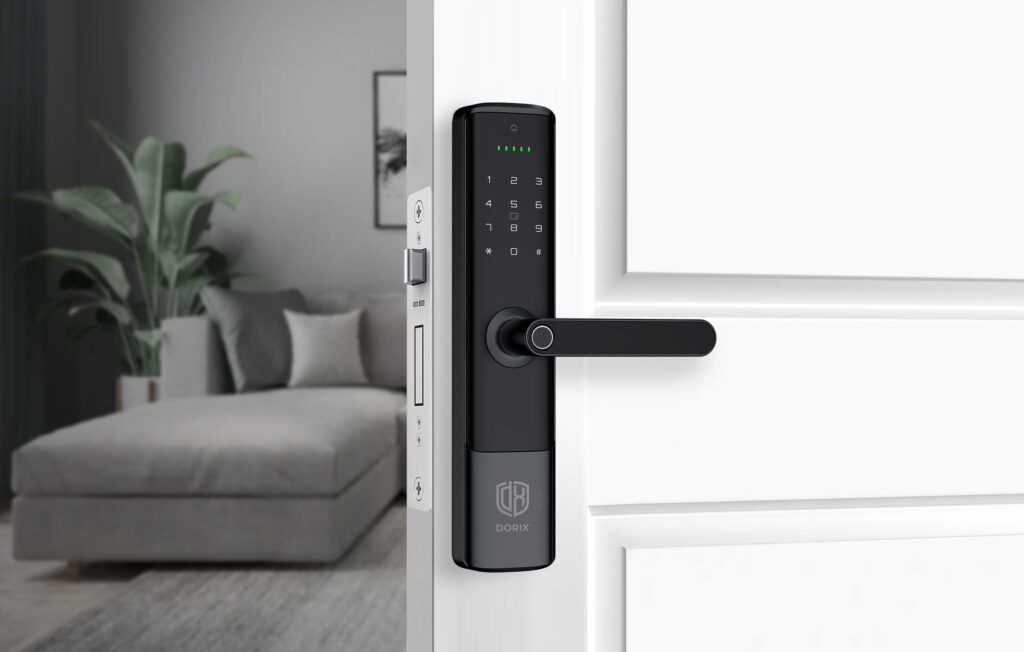
I believe that, in time the distinction between “smart” and “traditional” security will blur. I expect to see connected features will moving into familiar forms, including retrofit locks and cylinders, while mechanical products are likely to remain a vital foundation. The result will be a range of options rather than two competing camps.
We are already seeing security systems such as CCTV move beyond premium homes and large corporate systems and I have no doubt access management will also follow. Landlords, short-let operators, small businesses and multi-site operators all face the same challenge, controlling access without the burden of managing every aspect of it.
I believe also that customers will become less tolerant of fragmentation. They don’t want five apps, five accounts and five different ideas of who is responsible. Integration, instinctive operation and reliable support will matter far more than novelty.
Lifecycle support will become central too. A connected lock must be judged not only at installation, but in year three, year five and beyond. Maintenance, updates, warranties and professional support will become part of what “secure” means.
That does not mean every door needs a smart lock. Sometimes the answer will still be a correctly specified mechanical cylinder.
Other times it will be connected access. More often it will be a combination of the two.
A responsible supplier and a trusted locksmith must recommend what is appropriate, not simply their go-to solution.
Beyond the first unlock
The real test of smart security begins after installation. Does it remain understandable when the household changes? Can credentials be easily managed and are updates regularly applied? Above all what is the fall back if/when the technology fails?
This is what Beyond Access means to us. Unlocking the door should be a given but security is a relationship that lasts for the life of the product.