


From police vehicles to healthcare facilities, community food banks to farms, cabinets are used in a wide range of applications. Often, they’re operated by keys. However, this comes with several problems, not least the lack of accessibility and convenience when multiple people need routine access.
With coded access control alternatives, you can get around these issues, while saving time, money and reducing the headaches that come from managing who gets access and when. On top of this, thanks to their simplicity and reliability, coded lock cabinets excel in different scenarios. In fact, across industries, the humble cabinet is quietly being reinvented as a clever and highly adaptable tool thanks to coded access.
If you’re looking for inspiration for your next project – be it an office retrofit or new nursing facility – we’ve rounded up some of the top coded lock cabinet use cases to get you started.
Police and emergency services: security on the move
Police patrol cars have secured cabinets in their boots for safely locking away seized contraband and weapons. Emergency response vehicles, like ambulances and fire engines, also use cabinets to store controlled substances, medications and specialist rescue equipment – ensuring access is limited to trained, authorised staff.
In emergency service scenarios, key lock solutions are difficult to manage. Whole teams of emergency service workers would need duplicate copies of the same keys. And the risk of losing them is too high.
This is one area where coded locks excel, avoiding the risk of lost keys while giving all the right people effortless access – even in emergency moments.
Healthcare: protecting budgets and patients
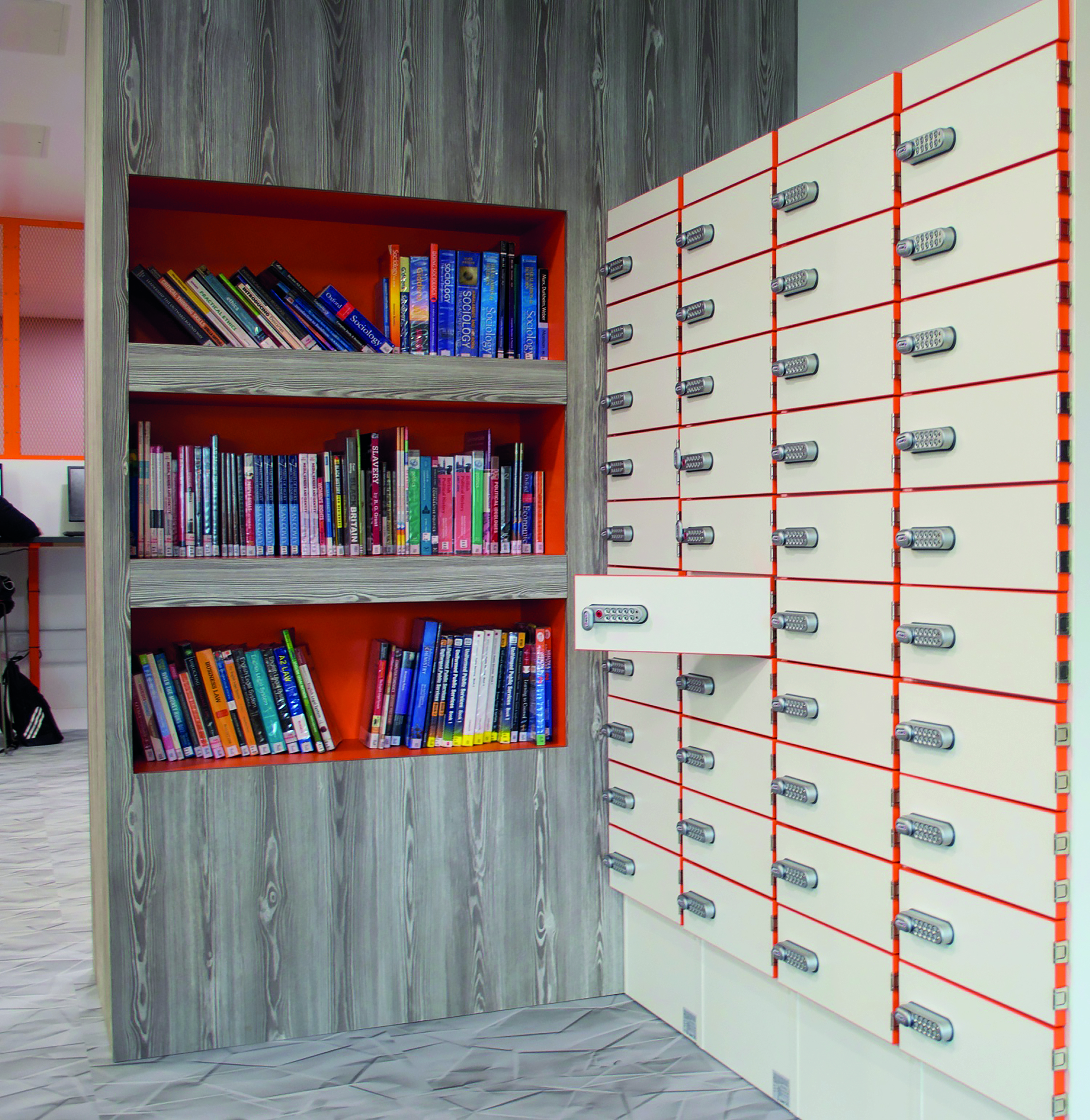
In healthcare facilities, misplaced or stolen medical supplies and cleaning products are an inconvenience and a costly challenge. Coded lock-equipped cabinets help facilities managers control access to these items, reducing shrinkage and protecting already stretched budgets – there’s no need to spend money on duplicate keys, replacing lost keys, or re-keying cabinets.
Outdoor healthcare cabinets, like those used to house defibrillators, ensure lifesaving equipment is accessible yet protected. Users needing defibrillators require access quickly, as time is vital for the person in need. Coded locks let ambulance services share the access code with anyone in an emergency – something simply not possible with keys.
Read about our work with Duch Defibrillators for more on shared codes in emergency applications.
Education: smart storage for schools
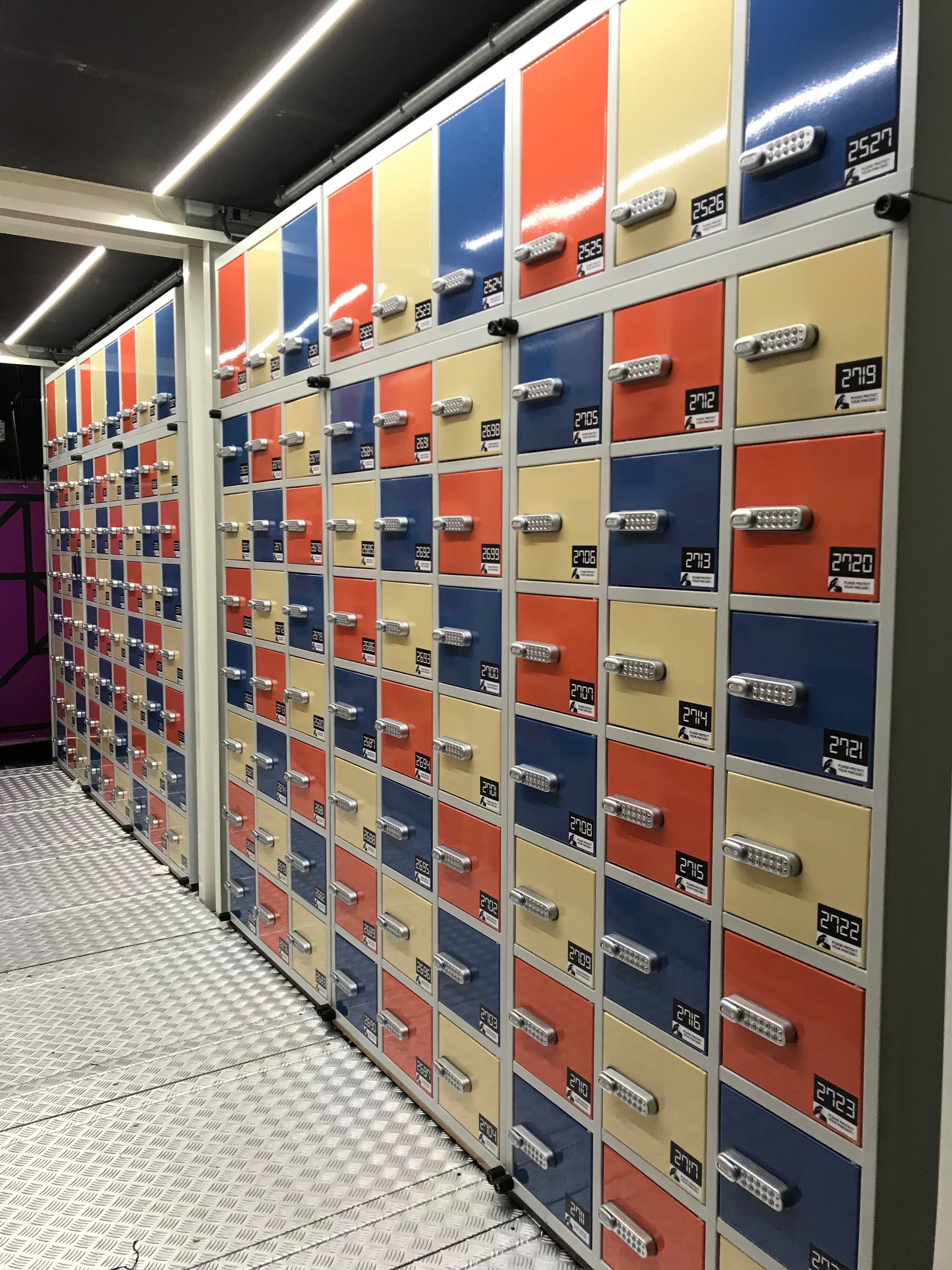
Schools and universities are increasingly using coded lock cabinets to store laptops, lab equipment and other high-value items. By controlling access, caretakers and teachers can protect assets while keeping them available for staff and students who need them most.
Schools are also integrating power in the cabinets, offering safe places for students to charge and store things like mobile devices while in lessons – helping to promote distraction-free classrooms too.
Community and social support: trust in accessibility
From food banks to community cupboards, coded lock cabinets are helping charities and social enterprises distribute essential items. These cabinets make items accessible to community members and allow authorised volunteers to restock items efficiently, while safeguarding resources from theft or misuse.
At Crown Connects in Inverness, Scotland, community volunteers did exactly that. They used a coded lock to create an unmanned donation hub ‘Community Cupboard’, taking surplus food, toiletries and other essentials from local retailers and centrally storing them for local people in need.
“Although we created this initiative to reduce food waste, it’s no secret that a lot of folk are finding it a huge financial help too. It is important to us to be able to allow anyone to access it without asking our dedicated group of volunteers to give up even more of their time,” said Bill Strachan, senior instructor at Crown Connects.
Agriculture and rural security: guns, chemicals and equipment
At the other end of the food supply chain, farm owners are using coded cabinets to safely store pesticides, veterinary medicines and firearms. With coded access solutions, these storage spaces can be restricted to the right people, helping meet compliance requirements and protecting valuable equipment.
Mechanical locks don’t need WiFi or batteries to operate either, making them ideal for rural locations without power or internet. Marine by Codelocks also gives farm owners confidence their cabinets can withstand harsh weather conditions.
Retail and museums: storage for new and old
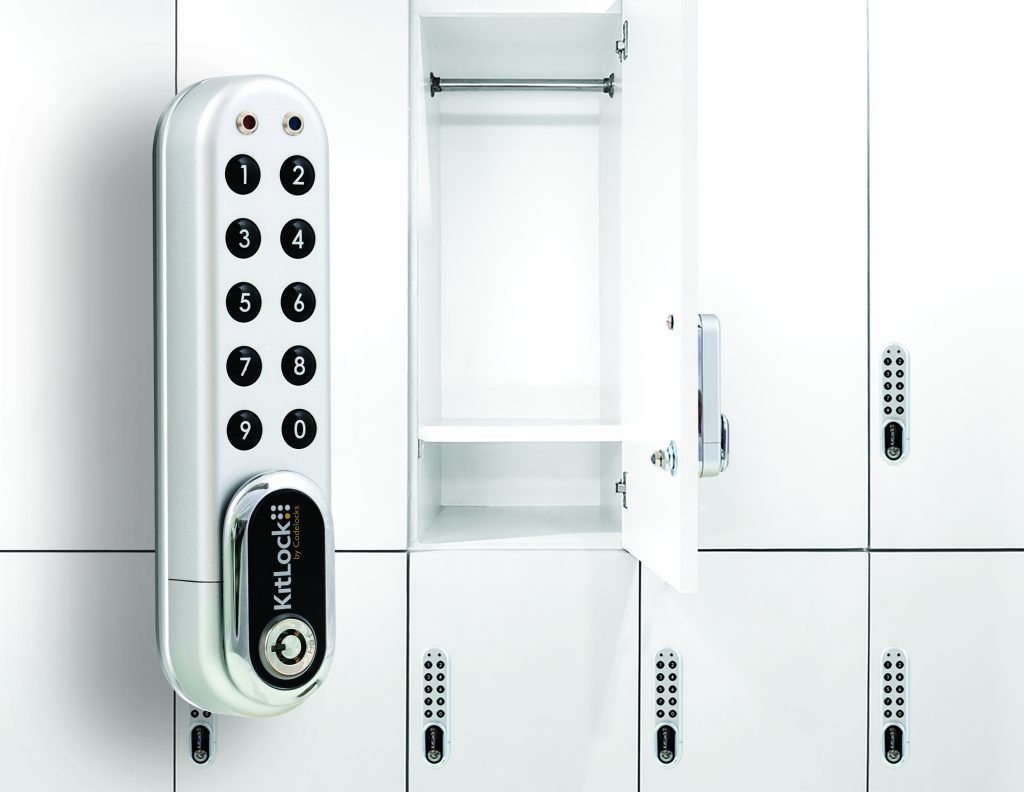
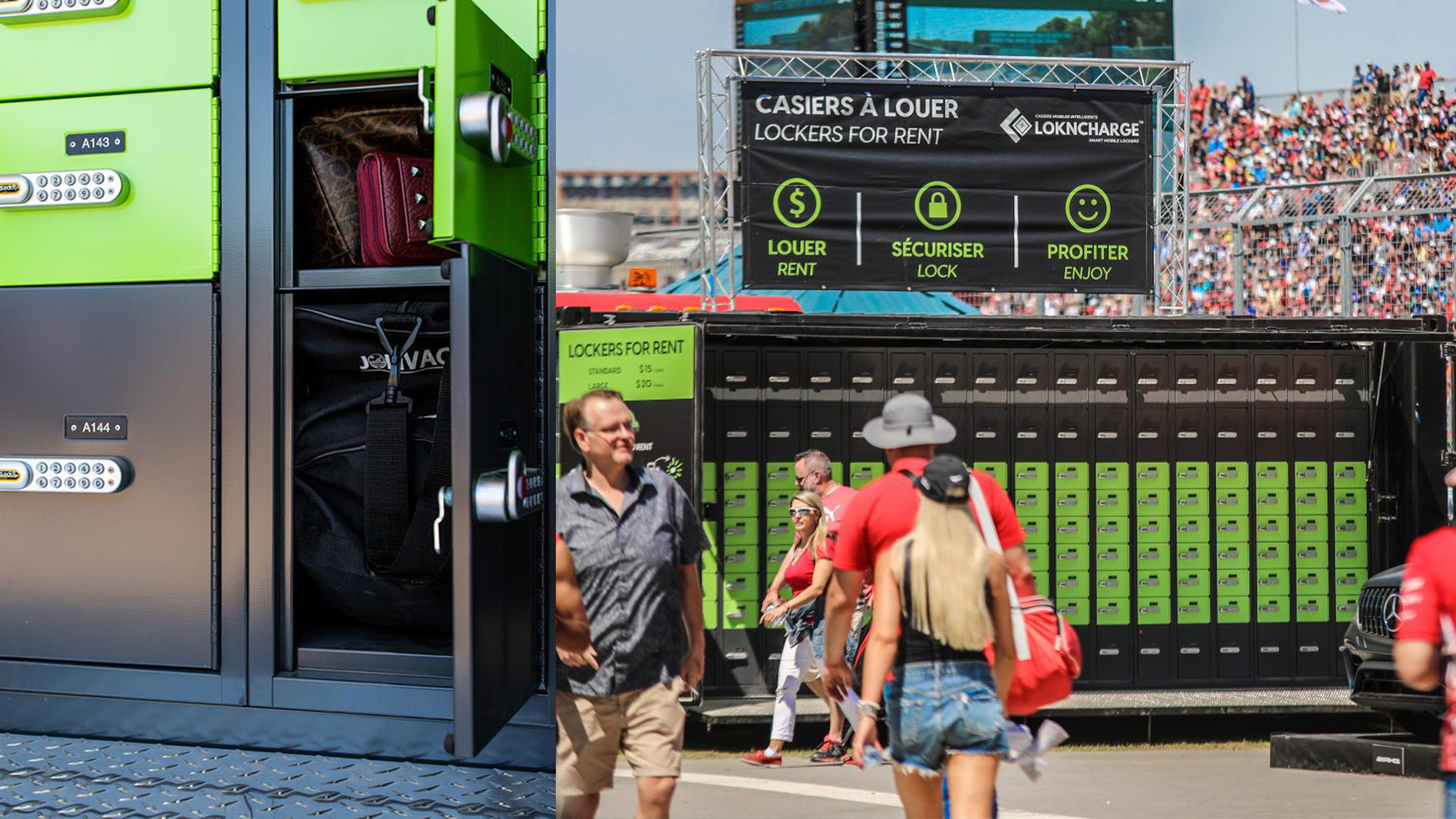
In retail, cabinets store high-value items such as electronics, pharmaceuticals, or alcohol, reducing shrinkage and theft. Walk into your local health and beauty retailer, and you’ll see perfume stored behind attractive cabinets that combine access with aesthetics. And across continental Europe, several of the largest supermarkets use KitLock locker locks for public lockers to store backpacks and bags at the entrance.
Cabinets aren’t just for new items, however. Museums and archives use coded cabinets to protect rare books, artefacts and delicate collections, giving curators peace of mind while allowing controlled access to staff and researchers.
Transportation and facilities: convenience meets control
Truck stops in the United States have adopted smart cabinets for shower facilities, offering travellers secure personal storage while they break up long journeys. Stadiums, sports facilities, and construction sites also use coded lockable storage for:
- First-aid kits
- Tools and equipment
- Site/facility documents
- Personal storage
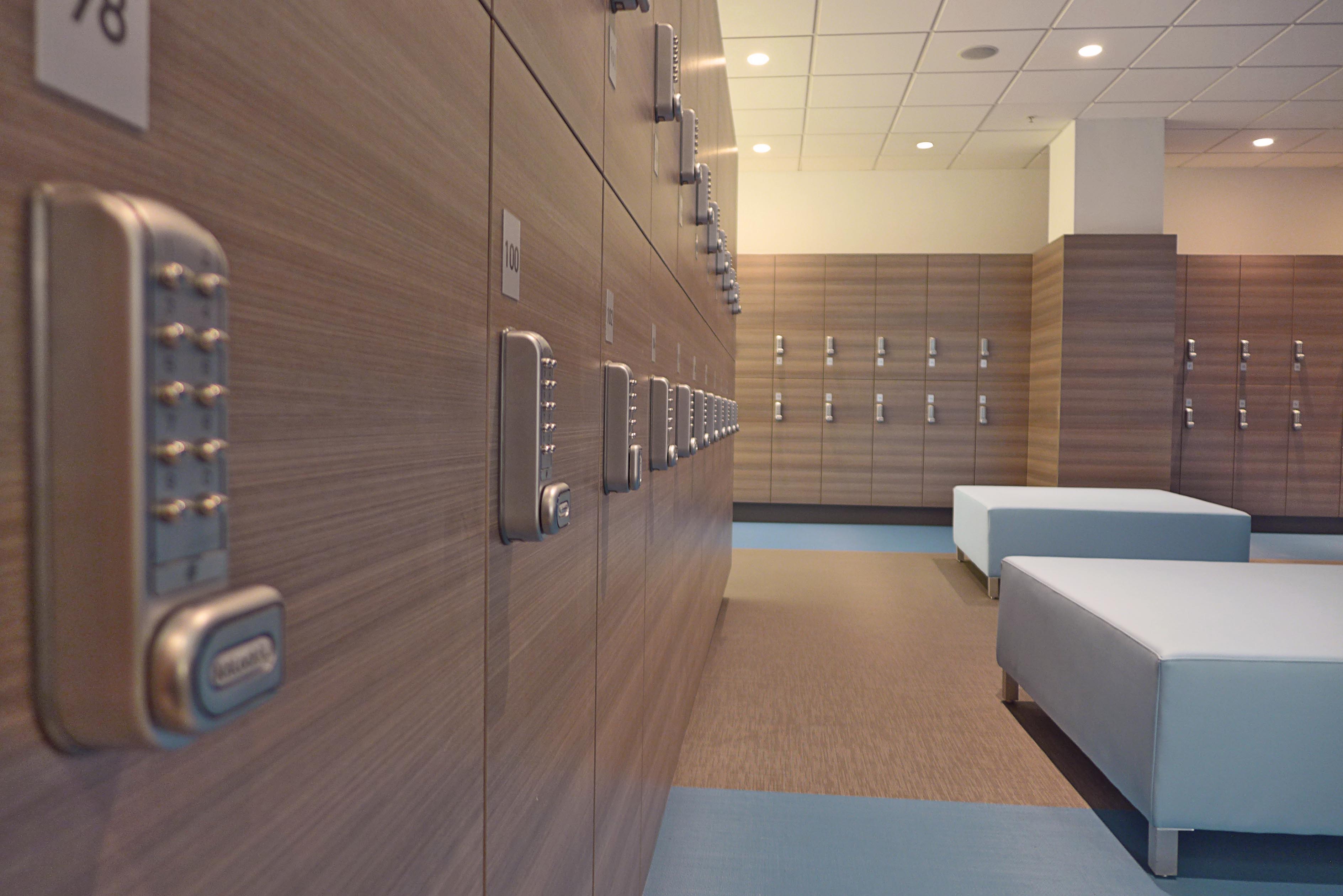
Meanwhile, as logistics has grown with the rise of online shopping, distribution centres require flexible personal storage for the drivers and warehouse operatives who keep operations running. Some large sites employ up to 1,500 people, often working 24/7, according to Amazon. Code-equipped lockers configured in public mode give employees easy-to-use personal storage, while freeing managers from the burden of tracking, swapping and managing vast numbers of keys.
Urban and public spaces: keeping cities cleaner
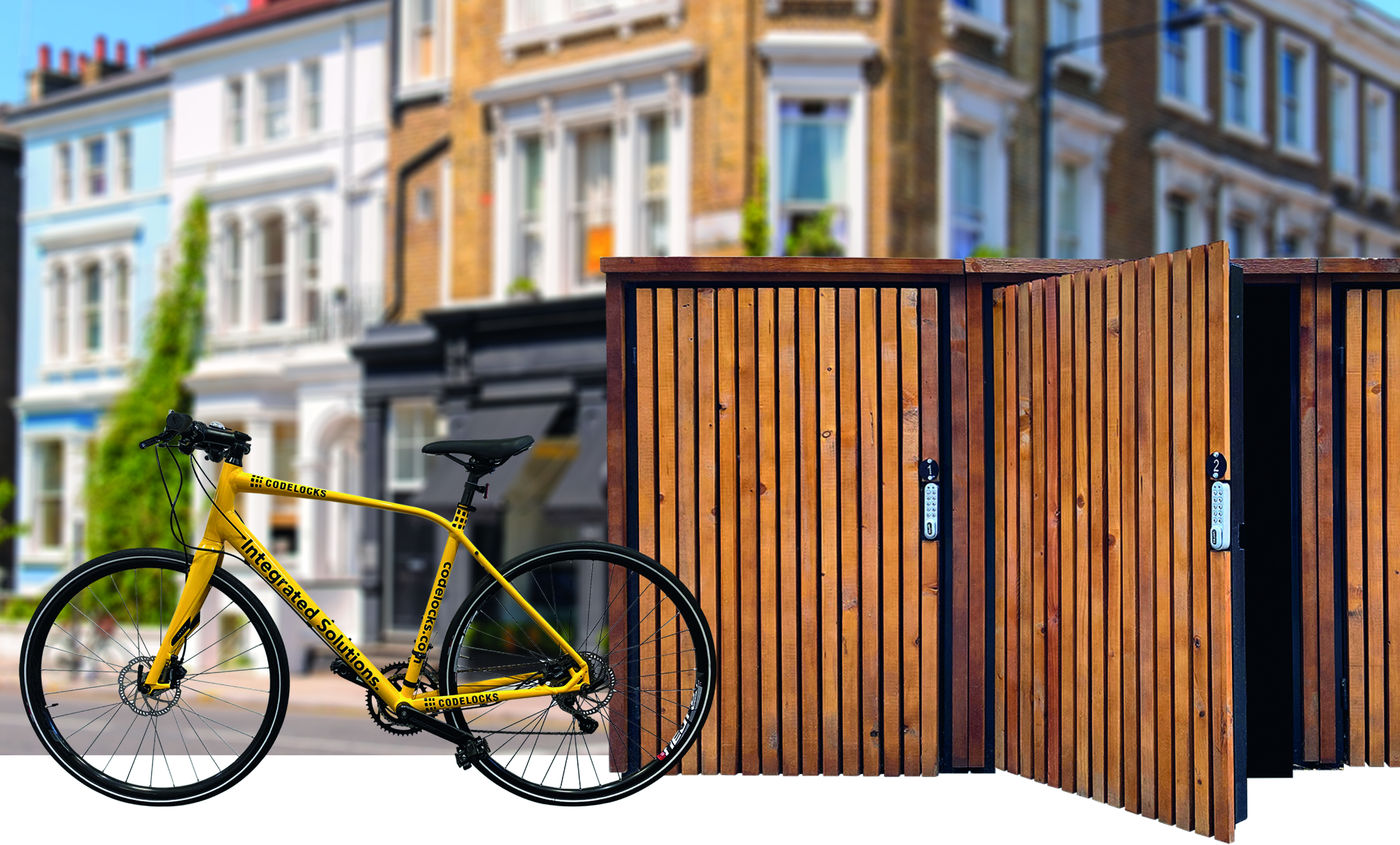
Even public spaces are getting a creative cabinet upgrade. In New York’s Central Park, Citibin is using Codelocks-equipped units to secure rubbish bins, preventing rodents and keeping litter contained. This is part of New York’s ‘trash revolution’: the first time since the 1970s that the city will use bins rather than just bags on the street.
Beyond hygiene, these cabinets create a cleaner, more visually appealing environment, proving that clever cabinet solutions help cities run smoother and look better too.
At home with cabinetry: private access simplified
In homes everywhere, people are using coded cabinets to store personal belongings and keep items away from younger children. Whether it’s medicine or tools, adults can lock them out of reach of small hands without worrying about misplacing keys.
And for landlords and property rental providers, coded cabinets are an excellent choice too. Short-term rental owners can use coded cabinets to store items and easily share the access codes with guests when they book, as well and cleaning and maintenance teams.
Unlocking the potential of cabinets
The era of the key-operated cabinet is fading. Across a breadth of industries and applications, coded locks are the standout choice thanks to their flexibility, reliability, and ease of use. Organisations are embracing clever cabinets to store items that matter, while managing access for the right people. Codelocks’ locks prove that clever cabinets are more than storage: they are solutions.