



David Hill, founder of Thames Valley Lock & Safe in Witney, has spent over 40 years in locksmithing. From youth training in the 1980s to running his own MLA-approved business today, he believes adaptability is the key to survival.
Starting Out in the 1980s
When I left school, my dad knew a small one-man-band locksmith and thought it would be a good trade for me, but he couldn’t take me on, so I wrote to Cooksons Masterlocksmiths. Geoff Cookson himself wrote back and invited me to meet with him. That’s how I started. Back then, you could get onto a Youth Training Scheme – I did two years there. Geoff sadly passed away this year, but I’ll always be grateful to him for setting me on this path.
I then moved on to Smiths Security Services in Oxford, where I worked for 18 years under Ken Bryan. Ken was heavily involved with the Master Locksmiths Association (MLA) having been both chairman and president. Through him I did lots of training, went to MLA meetings, and two years later I passed the entrance exam to become a full member in 1991. I’ve never let my membership lapse, even when I stepped away from locksmithing for a few years. It’s the gold standard in our industry.
From Employment to Independence
After nearly two decades at Smiths, I tried different paths, including senior roles at Chris Lewis Fire & Security and Salto, the Spanish access control company. I was covering 40,000 miles a year as a sales manager with Salto, with a young family at home. It was too much. After a long conversation with my wife, I knew it was time. I’d always wanted my own company, so in July 2016 I set up Thames Valley Lock & Safe.
Like many who make the leap to self-employment, the early days were tough. You don’t realise how much there is to set up: websites, supplier accounts, advertising, getting your name out there again. But when you’re self-employed, every bit of effort you put in benefits you, not someone else, and that sharpens your focus.
The Trade is Changing
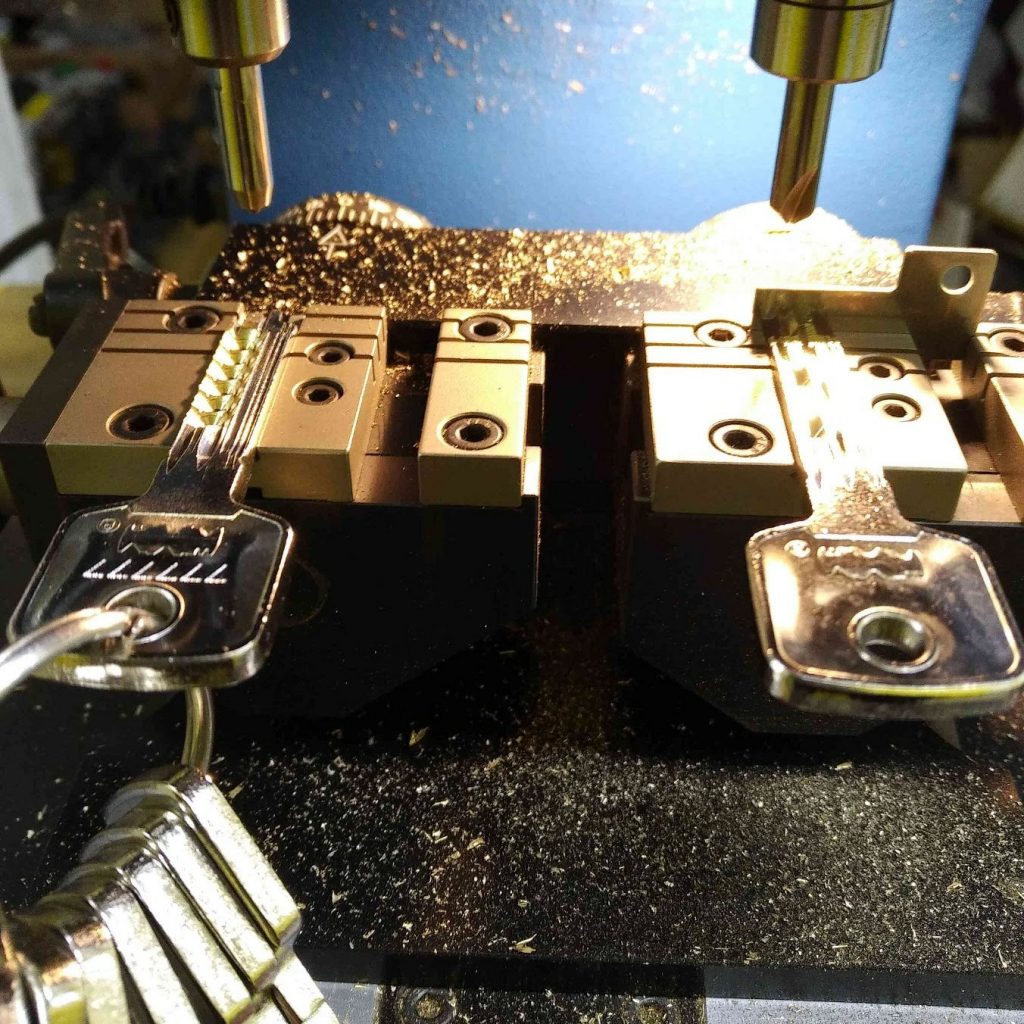
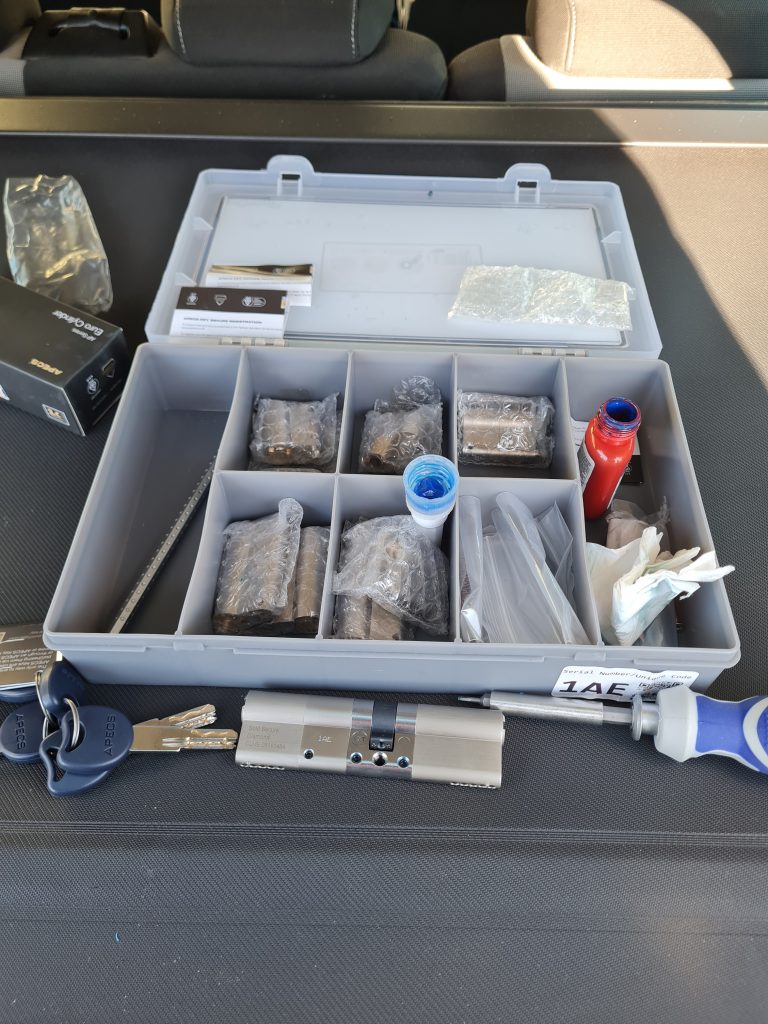
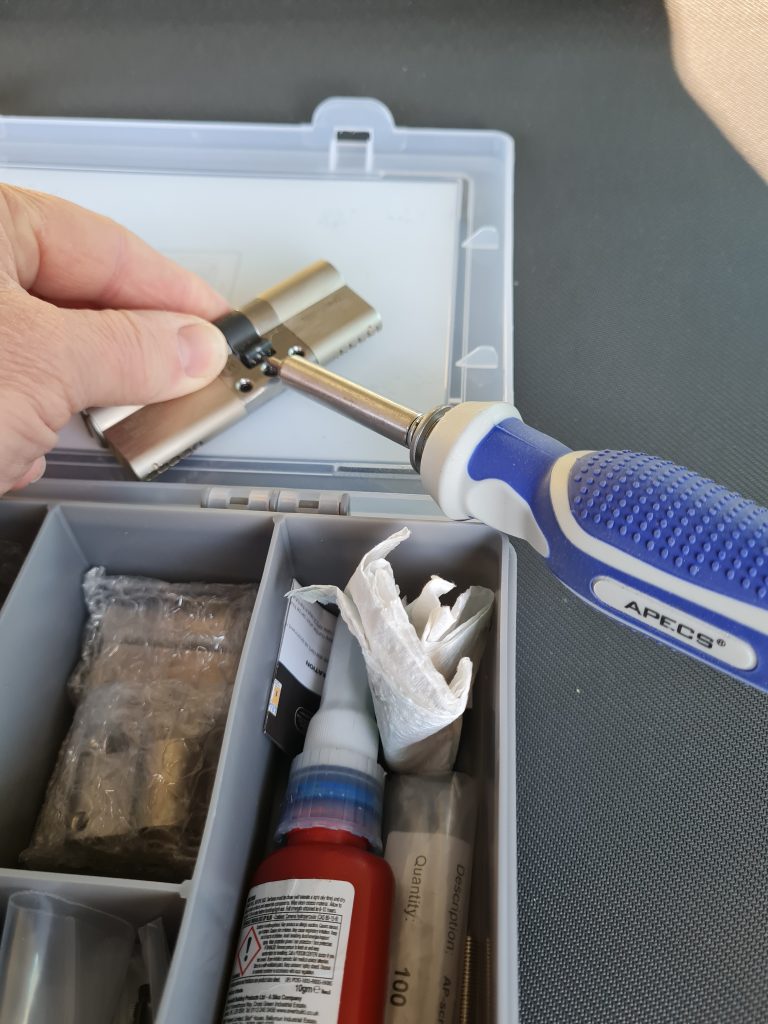
I’ve seen the locksmith trade evolve dramatically over four decades. Years ago, lockouts were bread and butter. Now, they’re a smaller part of the work. Customers today often want surveys, quotations, and security upgrades, not just someone to get them back in. You can’t just rely on emergency callouts anymore. Add in the rogue ‘£49 locksmiths’ paying huge Google fees, and the industry has shifted. We’re picking up jobs after they’ve gone wrong, which reinforces the value of doing things properly.
For locksmiths trying to survive in a crowded market, my advice is to be adaptable and don’t stick rigidly to one thing. The locksmith industry isn’t static, it’s always moving. If you’re not learning new skills and looking at complementary services, you’ll fall behind.
Diversifying Beyond Locks
At Thames Valley Lock & Safe, I would say that diversification has been the key to growth. We’re 60% domestic and 40% commercial, though I’d like to push the commercial side further. I like commercial clients because they plan ahead, which gives you time to order materials and schedule jobs properly.
Safes have become a strong revenue stream. I work with Burton Safes because you can’t manhandle some of these units on your own. Partnering with specialists means I can still offer the service without taking on too much. It’s not weakness to ask for help, it’s good business.
High-security doors and window filming are two more areas that have grown. Burton Security doors are excellent. Customers are increasingly asking for them, especially after break-ins. Window film is another one, which is applied to the inside, it’s invisible, but if someone smashes the glass it holds it all together. We are looking at offering it on shopfronts, French doors, and domestic properties, because it’s cost-effective, discreet, and strong. Customers love it because it adds safety and security without changing the look of the building.
Our latest service, panic rooms! It’s a niche, but I’ve had enquiries. If people are asking, then I want to be in a position to offer it. You never know what new market could become mainstream.
Why Partnerships Matter
Don’t see every locksmith as a competitor. I work closely with people I knew from Smiths, and I even team up with local locksmiths on jobs. Sometimes you need another pair of hands, or you’re dealing with a safe or a big commercial contract. There’s more to gain from collaboration than isolation.
That same principle extends to other trades. Partnering with alarm companies, CCTV specialists, or builders can lead to opportunities. Customers want complete solutions. If you can’t provide everything yourself, build a network where you can refer and be referred.
Technology & Smart Locks
The growth of smart locks is another opportunity. I’ve fitted Ultion Smart and Tedee Pro, and there’s definitely demand. But you need to stick with trusted brand, don’t just fit the cheapest import. Customers need reliability, and if a product fails it reflects badly on you, not the manufacturer.
Technology is coming whether you like it or not. You don’t have to be a tech wizard, but you do need to understand the basics and know which products you’re happy to fit.
Advice for Locksmiths – New & Established
First, understand locks. If you don’t know how a lock works, you’ll never open it properly. Start with the MLA’s basic courses and move up. Don’t rush.
For those already in the trade, the focus should be on growth and adaptability. Keep an eye on what customers are asking for. When I noticed people looking for security film and high-security doors, I added them to my offering. When panic room enquiries came in, I started exploring them. The industry will never stop changing and neither should you.
Reputation is also important, with word of mouth, reviews and online presence mattering more than ever. We’ve had our online shop running for a couple of years now, selling locks and hardware. It’s an extra revenue stream and it helps with visibility. My plan is to grow that side further and update the website to focus more on high-security products.
The Balance of Work and Life
After years of doing 24-hour callouts, I stopped five years ago. I was fed up dealing with drunks at 2am and struggling to get them to pay. Google ads for emergency work got too expensive as well. At a certain point, you realise it’s not worth it, especially as you get older. You’ve got to protect your time and your wellbeing as much as your customers’ homes.
Looking Ahead & Final Word
My immediate focus is on increasing our online presence, growing commercial work, and expanding complementary services. I’m also looking forward to the MLA Expo in October – it’s where you see what’s coming, pick up training, and connect with others in the trade. No matter how long you’ve been in this job, there’s always something new to learn.
My philosophy is: I still love meeting people, helping them solve problems, and making their homes more secure. That hasn’t changed since the day I started. But today, being a locksmith isn’t enough on its own. You’ve got to be adaptable, build partnerships, and think beyond locks. That’s where I believe the future of our trade lies.

Thames Valley Lock & Safe
Witney, Oxfordshire
01993 402 120
d.hill@thamesvalleylockandsafe.co.uk
thamesvalleylockandsafe.co.uk